



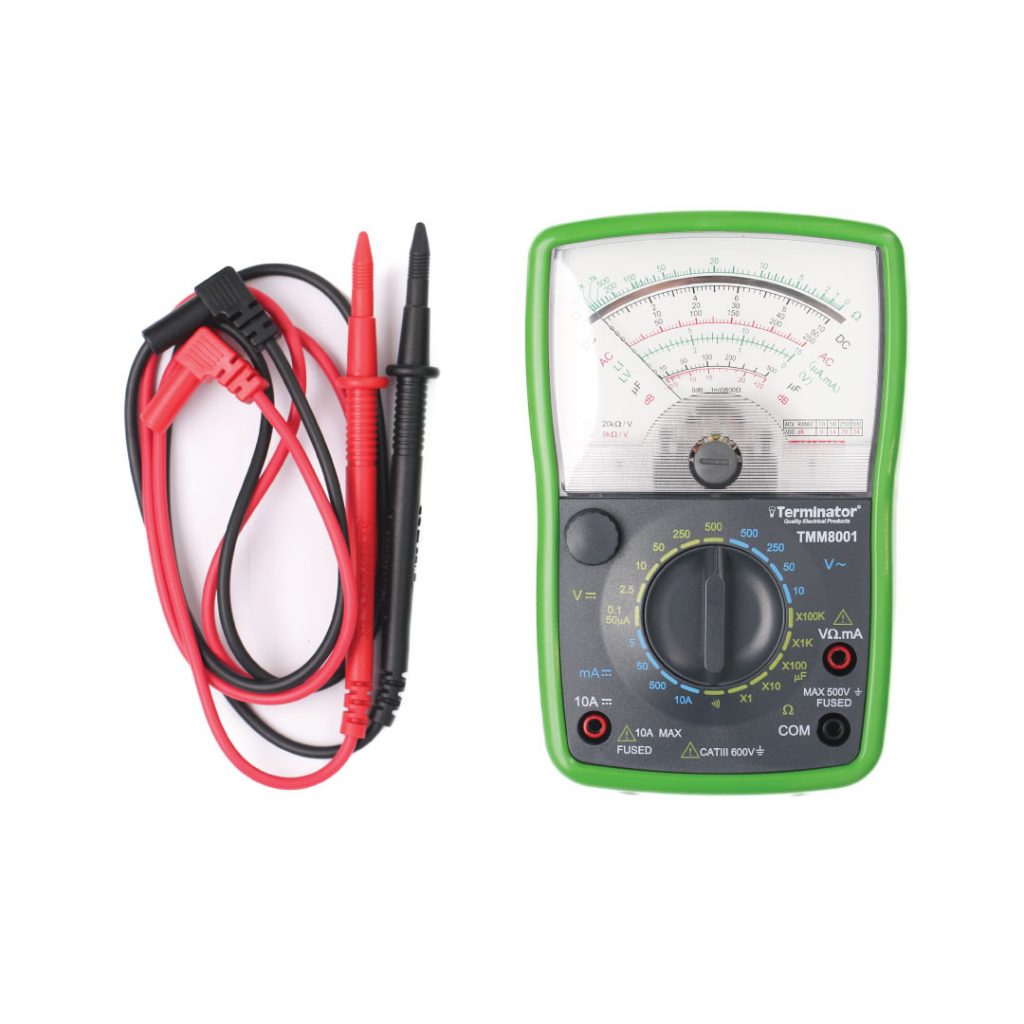
A multimeter is a handy tool for anyone who wants to solve electrical problems at home. Whether it’s a broken outlet, a dead battery, or a tripped circuit, this device can help. Let’s dive into how to use a multimeter effectively for troubleshooting.
What Is a Multimeter?
A multimeter measures electrical properties like voltage, current, and resistance. It’s a small, portable device with a digital or analog screen. Some advanced models can even test continuity, frequency, and temperature.
Homeowners love multimeters because they’re versatile and affordable. For simple home use, you don’t need a fancy one.
Why Use a Multimeter?
Here’s why a multimeter is worth having:
- Save Money: Fix electrical problems yourself instead of hiring an electrician.
- Safety First: Identify issues before they cause damage or become dangerous.
- Accuracy: Get precise readings to understand what’s happening.
Multimeter Basics: Know Your Tool
Before using a multimeter, familiarize yourself with its parts:
- Display Screen: Shows readings.
- Selector Dial: Switch to measure voltage (V), current (A), or resistance (Ω).
- Probes: Red is positive; black is negative.
Types of Measurements:
- Voltage: Measure the power in a circuit. Use the “V” setting.
- Current: Check how much electricity flows. Use the “A” setting.
- Resistance: Identify breaks in a circuit. Use the “Ω” setting.
How to Use a Multimeter for Troubleshooting?
Let’s explore common home electrical problems and how a multimeter can help.
1. Test Outlets
When an outlet stops working, a multimeter can check if it’s delivering power.
- Step 1: Turn the dial to AC voltage (V~).
- Step 2: Insert the black probe into the neutral slot and the red one into the hot slot.
- Step 3: Look at the reading. A standard U.S. outlet should show around 120 volts.
If the reading is far below 120V or there’s no reading, the outlet may need repairs.
2. Check Batteries
Batteries die unexpectedly. A quick test with your multimeter will save you frustration.
- Step 1: Turn the dial to DC voltage (V⎓).
- Step 2: Touch the black probe to the negative terminal and the red one to the positive terminal.
- Step 3: Check the reading. A healthy AA battery should show around 1.5V.
If the voltage is lower, the battery needs replacing.
3. Find Faulty Wires
Damaged wires can cause flickering lights or short circuits.
- Step 1: Set the multimeter to continuity mode (⏣ or a soundwave symbol).
- Step 2: Place one probe on each end of the wire.
- Step 3: Listen for a beep. A continuous beep means the wire is fine. No sound? The wire is broken.
Always turn off the power before testing wires for safety.
4. Diagnose Light Switch Problems
When lights don’t turn on, the switch might be the problem.
- Step 1: Turn off the circuit breaker.
- Step 2: Remove the switch cover and disconnect the wires.
- Step 3: Set the multimeter to continuity mode and place the probes on the switch terminals.
Flip the switch on and off. If the multimeter doesn’t beep, the switch is faulty.
5. Test Fuses
Blown fuses can disrupt circuits. Here’s how to check them:
- Step 1: Remove the fuse from its holder.
- Step 2: Set the multimeter to resistance (Ω).
- Step 3: Place one probe on each end of the fuse.
A good fuse shows a low resistance reading. A blown fuse shows infinite resistance.
Tips for Safe Multimeter Use
Using a multimeter is safe if you follow the precautions:
- Always turn off power when testing wires or circuits.
- Use the correct settings to avoid damaging the device.
- Keep your fingers behind the probe guards to avoid shocks.
Troubleshooting Made Simple
With a little practice, you’ll find a multimeter is easy to use. Testing outlets, switches, or wires becomes straightforward, and you’ll feel more confident handling minor electrical issues.
Final Thoughts
A multimeter is a must-have tool for any homeowner. It’s inexpensive, reliable, and easy to use. By understanding how to test outlets, batteries, and circuits, you can keep your home safe and avoid unnecessary costs.
Start small. Test a few batteries or an unused outlet. Soon, you’ll be solving problems like a pro!
